
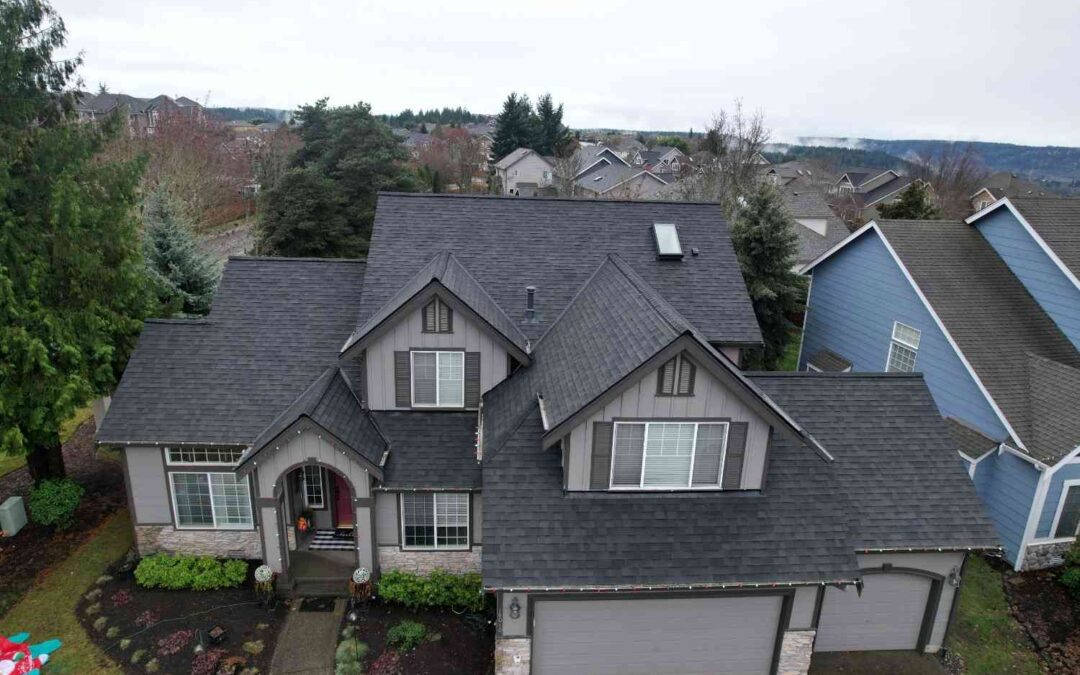
Your roofing works around the clock no matter what, until it doesn’t. And then you’ve got water pooling in the attic, a musty smell everywhere, and your energy bill is through the roof (pun intended). But you can’t curse your roof over it. It puts up with months of rain, damp conditions, windstorms, moss growth, and occasionally snow. The Pacific Northwest beats roofs to their knees way before their expected life span comes up, and it’ll keep them there if you let it.
The good news is that most roofs don’t fail without warning. Understanding how long your roofing materials typically last, and what affects that lifespan, can help Bonney Lake homeowners plan ahead, avoid emergency repairs, and get the most value from their investment.
Table of Contents
- How Washington’s Climate Affects Roofing
- How Long Different Types of Roofing Last
- How to Know When Your Roof Needs Attention
- Conclusion
How Washington’s Climate Affects Roofing
The climate in Bonney Lake and throughout Western Washington is one of the biggest factors determining how long your roofing will last.
Rain and Moisture
Frequent rainfall means your roof spends much of the year wet. While modern roofing materials are designed to handle moisture, constant exposure can gradually wear down shingles, flashing, and sealants over time.
If small issues go unnoticed, water can eventually work its way beneath the roofing system and damage the decking underneath.
Moss and Algae Growth
The Pacific Northwest is well known for moss-covered roofs.
Moss traps moisture against roofing materials, preventing them from drying properly. Over time, this can lift shingles, weaken protective granules, and shorten the overall lifespan of your roof.
Regular roof inspections and professional cleaning help prevent moss from becoming a costly problem.
Windstorms
Seasonal windstorms can loosen shingles, damage flashing, and create entry points for water, even if everything looks normal from the ground.
After severe weather, it’s always worth scheduling a roof inspection to catch hidden damage early.
Temperature Changes
While Washington doesn’t experience the extreme heat found in southern states, repeated temperature changes throughout the year cause roofing materials to expand and contract.
Over decades, this natural movement contributes to aging and wear.
How Long Different Types of Roofing Last
Not every roofing material is designed to last the same amount of time.
Asphalt Shingles
Asphalt shingles remain the most common residential roofing material in Bonney Lake.
Typical lifespan:
- 20–30 years
Architectural shingles generally last longer than traditional three-tab shingles and perform better against wind.
Metal Roofing
Metal roofs continue to grow in popularity throughout Washington because they resist moisture and require relatively little maintenance.
Typical lifespan:
- 40–70 years
Although the initial investment is higher, many homeowners appreciate the long-term durability.
Cedar Shake Roofing
Wood shake roofs complement many Pacific Northwest homes.
Typical lifespan:
- 25–40 years
Because wood naturally absorbs moisture, routine maintenance is especially important in Washington’s damp climate.
Composite Roofing
Composite roofing products are designed to replicate slate or cedar while offering increased durability.
Typical lifespan:
- 30–50 years
Many homeowners choose composite roofing because it balances appearance, longevity, and maintenance requirements.
How to Know When Your Roof Needs Attention
Even if your roof hasn’t reached the end of its expected lifespan, it’s important to recognize early warning signs.
Watch for:
- Missing or damaged shingles
- Moss spreading across the roof
- Granules collecting in gutters
- Water stains on ceilings
- Sagging roof sections
- Loose flashing around vents or chimneys
- Rising energy bills caused by poor ventilation
- Roof age approaching 20 years or more
Many roofing problems begin long before a leak appears inside your home.
That’s why annual roof inspections, especially before Washington’s wet fall and winter seasons, can help homeowners avoid larger, more expensive repairs.
If your roof has experienced windstorms or falling branches, it’s also smart to have it inspected even if no damage is immediately visible.
Conclusion
Washington’s climate can be tough on roofing, but that doesn’t mean your roof won’t provide decades of reliable protection. The key is understanding how rain, moisture, moss, wind, and changing temperatures affect different roofing materials over time.
Routine maintenance, regular roof inspections, and addressing small issues before they become major problems can significantly extend the life of your roof. By staying proactive, you’ll reduce the risk of costly repairs, protect your home’s structure, and have greater confidence when storm season arrives.
If you’re unsure how much life your roof has left, a professional inspection is the best place to start.
Worried Your Roof Might Be Near Its Death Bed?
If you’re in Bonney Lake, WA, or the surrounding area and you’re wondering whether your roof needs repairs or a replacement, waiting can mean a worst case scenario living situation for you, and a way heftier repair cost.
If you want to make sure your roof will stay up and running, click here to get a free quote & consultation about your roof.